Photography style guides are frameworks for consistent imagery, vital for branding and client expectations; they detail everything from posing to post-processing examples.
What is a Photography Style Guide?
A photography style guide, fundamentally, is a documented set of rules and recommendations designed to ensure visual consistency across a series of photographs. It’s more than just preferences; it’s a framework for creating images that align with a specific brand identity or a photographer’s artistic vision.
These guides detail aspects like color palettes, lighting approaches, composition techniques, and even posing direction. They can be incredibly detailed, specifying things like how clothing should be styled – even how shirt sleeves should be folded! A well-crafted guide serves as a reference point, ensuring that every image contributes to a cohesive and recognizable aesthetic, whether for a client or personal portfolio. It’s a blueprint for visual storytelling.
Why Use a Photography Style Guide?
Employing a photography style guide offers numerous benefits; For brands, it guarantees a consistent visual identity across all platforms, strengthening brand recognition and customer trust. For photographers, it streamlines the creative process, especially when working with multiple clients or team members.
Guides minimize miscommunication, ensuring everyone understands the desired aesthetic. They’re invaluable for client preparation, offering clear expectations regarding wardrobe, location, and posing. Ultimately, a style guide saves time and resources, reducing the need for extensive revisions and ensuring a polished, professional final product. It’s about efficiency, consistency, and delivering a clear visual message.
Defining Your Photographic Style
Establishing a unique photographic style involves understanding various approaches, identifying your personal aesthetic, and analyzing the work of influential photographers for inspiration.
Understanding Different Photography Styles
Exploring diverse photography styles is crucial before crafting a style guide. Numerous genres exist, each with distinct characteristics. Lifestyle photography emphasizes candid, natural moments, often used for branding and families. Brand photography focuses on visually representing a company’s identity, requiring consistent aesthetics. Wedding photography captures the emotions and details of a special day, ranging from traditional posed shots to documentary-style coverage.
Furthermore, portrait photography centers on capturing personality, while fashion photography showcases clothing and trends. Wildlife photography demands patience and skill, documenting animals in their natural habitats. Understanding these differences—and many others—allows photographers to pinpoint their preferences and define a cohesive visual approach. Recognizing these styles informs the creation of a detailed photography style guide.
Identifying Your Personal Aesthetic
Defining your personal aesthetic is foundational to a strong photography style guide. It’s about recognizing what visually resonates with you. What kind of light do you gravitate towards – soft and diffused, or bold and dramatic? Do you prefer vibrant colors or a muted, minimalist palette? Consider the emotions you want to evoke with your images: joy, serenity, or perhaps a sense of mystery?
Experimentation is key. Review your existing work and identify recurring themes or preferences. Analyze what attracts you to other photographers’ work. Your aesthetic isn’t static; it evolves. A well-defined aesthetic ensures consistency and authenticity within your photography, making your work instantly recognizable.
Analyzing Influential Photographers
Studying influential photographers is crucial when developing your photography style guide. Deconstruct their work – not to copy, but to understand how they achieve their signature look. Examine their use of light, composition, color grading, and posing techniques. What makes their images instantly recognizable?
Consider photographers across various genres. Note how they tell stories and evoke emotions. Identify elements you admire and contemplate how you might incorporate similar principles into your own work, adapting them to your personal aesthetic. This analysis informs your stylistic choices and helps refine your vision, ultimately strengthening your photography.

Key Elements of a Photography Style Guide
Essential components include a defined color palette, consistent lighting approaches, established composition rules, and clear guidelines for posing and client direction examples.
Color Palette and Tone
Establishing a cohesive color palette and tone is fundamental to a photography style guide. This dictates the overall mood and aesthetic of the images, ensuring visual consistency across all projects. Examples should illustrate preferred color schemes – warm, cool, neutral, or vibrant – and how they align with the brand or client’s identity.
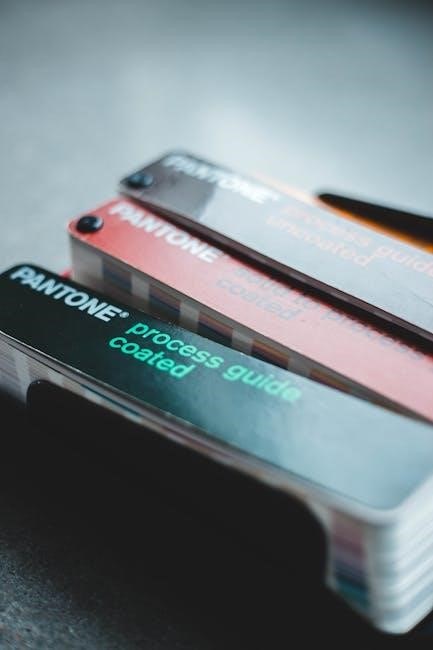
Specify acceptable color ranges and avoid clashing hues. Detail the desired tonal qualities: bright and airy, dark and moody, or something in between. Include references to specific Pantone colors or mood boards for clarity. Consistent application of color grading in post-processing is crucial, defining the signature look and feel of your photography. This element significantly impacts brand recognition and visual storytelling.
Lighting Techniques
A photography style guide must detail preferred lighting techniques to maintain visual consistency. Specify whether natural light, studio strobes, or a combination is favored. Provide examples of desired light quality – soft, diffused, hard, dramatic – and how it contributes to the overall aesthetic.
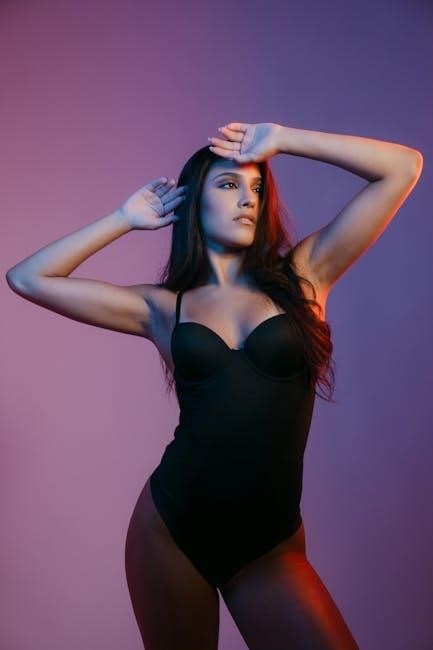
Outline preferred lighting setups for different scenarios, including key light placement, fill light usage, and background lighting. Indicate whether high-key or low-key lighting is preferred. Detail any specific modifiers to be used, such as softboxes, umbrellas, or reflectors. Consistent lighting ensures a unified look and feel, reinforcing brand identity and artistic vision throughout all photographic work.
Composition Rules
Your photography style guide should clearly define preferred compositional guidelines. Detail favored techniques like the rule of thirds, leading lines, symmetry, and negative space. Include examples illustrating how these rules are applied to achieve the desired aesthetic. Specify whether tight crops, wide shots, or a balance of both are preferred.
Address the use of perspective, depth of field, and framing. Indicate any tendencies towards minimalist compositions or more complex arrangements. Consistent application of these rules ensures a cohesive visual language, strengthening brand recognition and artistic style across all images. This section is crucial for maintaining a unified and recognizable photographic identity.
Posing and Direction
A detailed posing and direction section is essential within your photography style guide. Specify preferred poses – candid, formal, or a blend – and provide examples demonstrating desired body language and expressions. Outline guidelines for group posing, ensuring balanced and flattering arrangements. Detail how to direct subjects for natural-looking results, avoiding stiffness or unnatural positions.
Include notes on hand placement, facial expressions, and interaction prompts. Address preferred angles and perspectives for posing individuals. Indicate whether you favor posed or unposed moments, and how to achieve each consistently. This section ensures subjects are directed effectively, resulting in images aligned with your established style and client vision.
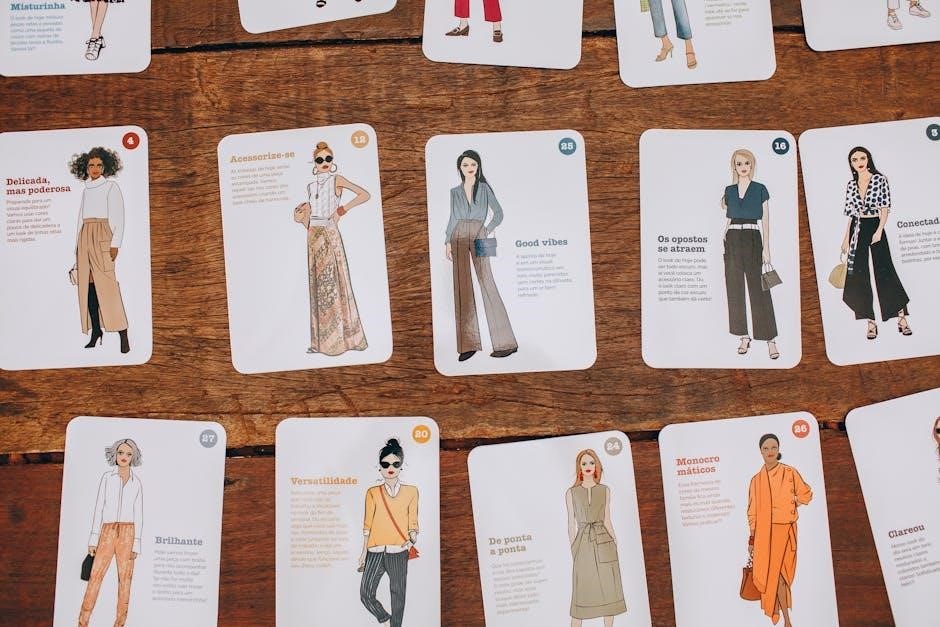
Client Style Guides: Preparation & Communication
Comprehensive client style guides, including pre-shoot consultations and wardrobe guidance, ensure a smooth, collaborative process and stunning, aligned photography examples.
Pre-Shoot Consultation
The pre-shoot consultation is paramount for establishing a shared vision, referencing the photography style guide. Discuss the client’s goals, desired mood, and overall aesthetic preferences. This is the ideal time to review the guide’s details – color palettes, posing suggestions, and wardrobe recommendations – ensuring everyone is on the same page.
Address any questions or concerns the client may have, and actively solicit their input. Present examples of previous work that align with their desired style. Confirm logistical details like location, timing, and any specific props or outfits they plan to use. A thorough consultation minimizes surprises and maximizes the chances of a successful and satisfying photoshoot, reflecting the established style.
Wardrobe Guidance
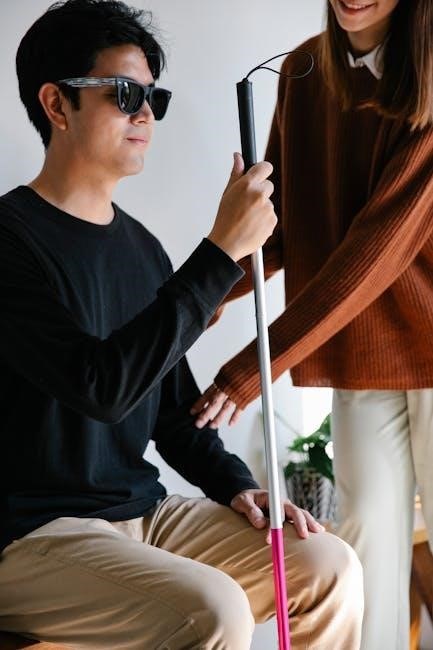
Detailed wardrobe guidance is a cornerstone of a strong photography style guide. Offer clients specific recommendations regarding colors, patterns, and clothing styles that complement the desired aesthetic. Provide “dos and don’ts” lists, advising against distracting logos or overly trendy items. Suggest coordinating outfits within a defined color palette to ensure visual harmony throughout the session.
Encourage layering and texture for added depth. Share examples of well-styled outfits that align with the guide’s vision. Emphasize the importance of fit and comfort, as confidence translates beautifully in photographs. A well-planned wardrobe significantly contributes to a cohesive and polished final result, reinforcing the established photographic style.
Location Scouting & Considerations
A crucial aspect of a photography style guide involves detailed location scouting. Identify locations that align with the overall aesthetic – whether it’s urban, natural, or studio-based. Consider the light quality at different times of day and how it impacts the desired mood. Note potential backdrops and interesting architectural elements.
Address logistical considerations like permits, accessibility, and potential distractions. Provide clients with location examples and mood boards. Communicate any location-specific wardrobe recommendations. Ensure the chosen location complements the subject and reinforces the style guide’s visual narrative, contributing to a cohesive and professional final product.
Detailed Style Guide Components
Style guides meticulously outline outfit choices, prop usage, and hair/makeup recommendations, ensuring visual harmony and brand consistency through detailed examples.
Outfit Selection: Dos and Don’ts
Outfit guidance is crucial within a photography style guide. Clients often need direction, so specifying “dos and don’ts” is incredibly helpful. Encourage coordinating colors and patterns, avoiding overly busy prints or distracting logos. Suggest solid colors and textures that photograph well.
Advise against clothing with excessive branding or graphics. Recommend well-fitting garments that flatter the subject. Provide examples of successful outfit choices, perhaps even mood boards. Detail how shirts should be styled – sleeves rolled, buttoned, or unbuttoned – for a cohesive look. Consider the location and ensure outfits complement the environment. Ultimately, the goal is to create visually appealing images that align with the overall aesthetic.
Prop Usage and Styling
A photography style guide should clearly define prop usage. Props enhance storytelling, but must align with the overall aesthetic and not overwhelm the subject. Specify acceptable prop types – vintage suitcases, blankets, books – and their intended purpose within the shoot.
Detail styling guidelines: how props should be arranged, colors coordinated, and textures combined. Avoid props that are overly trendy or distracting. Provide examples of effective prop styling, showcasing how they complement the subject and enhance the narrative. Consider the location and ensure props fit the environment. Maintain a consistent prop palette to reinforce brand identity and visual cohesion throughout the photoshoot.
Hair and Makeup Recommendations
Your photography style guide must include detailed hair and makeup recommendations to ensure consistent results. Specify desired makeup looks – natural, glamorous, minimal – and provide examples. Outline preferred hair styles: loose waves, sleek updos, or natural texture. Consider the overall aesthetic; a bohemian shoot requires different styling than a corporate headshot.
Advise clients on avoiding overly trendy makeup or hairstyles that may appear dated quickly. Suggest professional hair and makeup artists familiar with your style. Include a “do not” list – excessive glitter, strong contouring – if they clash with your vision. Clear guidance minimizes on-set adjustments and guarantees polished, consistent imagery.
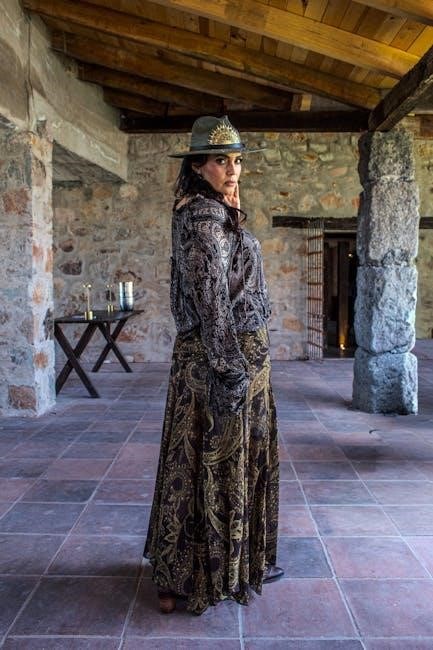
Technical Aspects of Style Consistency
Maintaining a consistent workflow involves standardized camera settings, meticulous post-processing techniques, and organized file management for repeatable photography results.
Camera Settings and Equipment
A comprehensive style guide dictates precise camera settings for uniformity. Specify preferred aperture settings – for depth of field control – and ISO ranges to minimize noise. Shutter speed guidelines ensure consistent motion capture.
Detail lens choices; perhaps favoring prime lenses for sharpness or zooms for versatility. Include white balance presets for accurate color rendition; Furthermore, outline equipment standards: camera bodies, lighting modifiers, and even tripod recommendations.
Documenting these technical specifications guarantees that every photographer involved adheres to the established aesthetic, resulting in a cohesive visual identity. This minimizes post-processing adjustments needed to achieve the desired look, streamlining the workflow and maintaining brand consistency.
Post-Processing Workflow
The style guide must detail a standardized post-processing workflow. Specify software preferences – Adobe Lightroom, Capture One, etc. – and version numbers for consistency. Outline essential adjustments: exposure, contrast, highlights, shadows, and white balance.
Provide precise color grading instructions, including target color palettes and specific HSL adjustments. Detail sharpening and noise reduction techniques. Presets are invaluable here, offering a one-click starting point.
Include guidelines on retouching – blemish removal, skin smoothing – maintaining a natural aesthetic. Document export settings: file format (JPEG, TIFF), resolution, and color space (sRGB, Adobe RGB) to ensure consistent image delivery across all platforms.
File Management and Organization
A robust file management system is crucial for a consistent photography workflow. The style guide should dictate a standardized folder structure for each shoot – date, client name, project title. Implement a clear naming convention for image files: YYYYMMDD_ClientName_001.jpg.
Detail backup procedures: multiple hard drives, cloud storage, and offsite backups are essential. Specify a system for archiving completed projects, ensuring long-term accessibility.
Outline procedures for cataloging images using software like Adobe Bridge or Lightroom, including keyword tagging and metadata embedding. This facilitates efficient searching and retrieval, maintaining project organization and streamlining future workflows.
Examples of Photography Style Guides
Examples span lifestyle, brand, and wedding photography, showcasing diverse approaches to color, posing, and overall aesthetic, as detailed in client style guides.
Lifestyle Photography Style Guide Examples
Lifestyle photography style guides often prioritize natural light and candid moments, aiming for authentic storytelling. These guides frequently detail preferred wardrobe choices – think muted tones, comfortable fabrics, and coordinated, yet not overly matched, outfits. Examples emphasize relaxed posing, encouraging genuine interactions between subjects.
Color palettes lean towards earthy or pastel shades, fostering a warm and inviting atmosphere. Guides may include mood boards illustrating desired aesthetics, showcasing examples of successful shoots. Prop usage is typically minimal and purposeful, enhancing the narrative without distracting from the subjects. Detailed instructions regarding hair and makeup – favoring a natural look – are also common. Ultimately, these guides aim to capture genuine connection and everyday life beautifully.
Brand Photography Style Guide Examples
Brand photography style guides are meticulously crafted to visually represent a company’s identity. These guides dictate everything from color palettes – often aligning with brand colors – to specific prop usage that reinforces brand messaging. Examples showcase consistent lighting techniques, ensuring a unified look across all images.
Detailed guidelines on model posing and expressions are crucial, reflecting the brand’s personality (e.g., professional, playful, sophisticated). Guides often include “do’s and don’ts” for outfit selection, ensuring clothing complements the brand aesthetic. Technical specifications, like camera settings and post-processing styles, are also outlined. The goal is to create a cohesive visual language that builds brand recognition and trust, consistently communicating the brand’s values.
Wedding Photography Style Guide Examples
Wedding photography style guides assist couples and photographers in aligning expectations for a cohesive visual narrative of the big day. These guides often detail preferred posing styles – candid, traditional, or a blend – and desired levels of photojournalistic coverage. Examples illustrate preferred editing styles, ranging from bright and airy to dark and moody, impacting the overall feel.
Guides frequently include wardrobe recommendations for the couple and wedding party, suggesting color palettes and attire that photograph well. Location scouting considerations are also common, highlighting ideal backdrops and lighting conditions. A comprehensive guide ensures the photographer captures the wedding’s essence, delivering images that reflect the couple’s unique style and create lasting memories.
Maintaining Consistency and Evolution
Regularly reviewing and updating your photography style guide, incorporating feedback, and adapting to trends—while staying true to your core aesthetic—is crucial.
Regular Review and Updates
A photography style guide isn’t a static document; it requires periodic review and updates to remain relevant and effective. The photographic landscape constantly evolves with emerging trends, new techniques, and shifting client preferences. Schedule dedicated time – perhaps quarterly or bi-annually – to reassess each element within your guide.
Consider whether your current color palettes still align with your artistic vision or brand identity. Are your posing techniques feeling fresh, or do they need refinement? Evaluate your equipment and post-processing workflow for potential improvements. This proactive approach ensures your style guide remains a valuable tool, reflecting your growth and maintaining consistency across all your photographic work. Don’t be afraid to experiment and iterate!
Feedback Incorporation
A truly effective photography style guide isn’t created in isolation; it benefits immensely from incorporating feedback. Actively solicit input from clients, collaborators, and even fellow photographers. Ask specific questions about clarity, usefulness, and whether the guide accurately reflects your intended aesthetic.
Pay close attention to any recurring themes or points of confusion. Client testimonials can offer invaluable insights into how well the guide translates into a positive photoshoot experience. Use this feedback to refine your instructions, add more detailed examples, or clarify ambiguous sections. Remember, the goal is to create a resource that empowers others to understand and contribute to your vision, ultimately strengthening your brand.
Adapting to Trends While Staying True to Your Style
The photography landscape is constantly evolving, with new trends emerging regularly. A rigid style guide can quickly feel dated, but abandoning your core aesthetic isn’t the answer. Instead, focus on strategically incorporating current trends that complement your established style.
Consider subtle adjustments to color palettes, posing techniques, or editing styles. Analyze how successful photographers are integrating trends while maintaining their unique voice. Regularly review your guide, not to overhaul it, but to identify areas where thoughtful updates can enhance its relevance; Prioritize evolution over revolution, ensuring your photography remains fresh and appealing without sacrificing its identity.