Product Overview
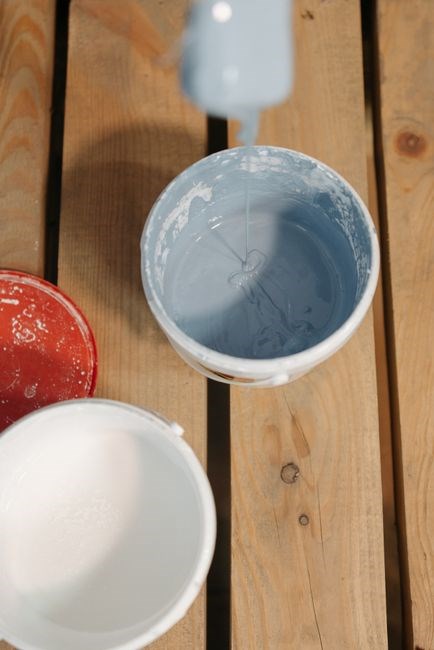
Ekopel 2K is a two‑component‚ white‑gloss bathtub resurfacing coating that delivers a durable‚ odorless finish․ It’s easy to apply‚ cures quickly‚ and resists stains and chips․ The kit includes primers‚ topcoat‚ and touch‑up epoxy for full restoration․ The coating resists mildew‚ is easy to clean‚ lasts long!
Description and Features
Ekopel 2K is a two‑component‚ white‑gloss bathtub resurfacing coating designed for both DIY enthusiasts and professional contractors․ It combines a fast‑drying primer with a high‑gloss topcoat that cures in 24 hours‚ producing a smooth‚ durable finish that resists stains‚ mildew‚ and everyday wear․ Its low‑VOC formula delivers an odorless application‚ making it safe for indoor use in bathrooms‚ kitchens‚ and other moisture‑prone areas․
The kit includes a ready‑to‑mix touch‑up epoxy for chips and scratches‚ allowing quick repairs without re‑coating the entire surface․ The touch‑up material matches the original gloss level and color‚ ensuring seamless blending with the surrounding finish․ Ekopel 2K adheres to ceramic‚ fiberglass‚ and acrylic tubs‚ and it can be applied over existing paint or shellac‚ provided the surface is properly cleaned‚ degreased‚ and lightly sanded to remove any loose flakes․
- Fast‑Drying Primer: Provides excellent adhesion and a uniform base for the topcoat․
- High‑Gloss Topcoat: Delivers a bright‚ reflective finish that enhances the tub’s appearance․
- Touch‑Up Epoxy: Ready‑to‑mix formula for repairing chips‚ cracks‚ and scratches․
- Low VOC & Odorless: Safe for indoor application with minimal ventilation requirements․
- Temperature‑Sensitive: Optimal application temperature is 20–25 °C; temperatures outside this range may affect curing time and finish quality․
- Warranty: 10‑year warranty in most markets‚ subject to proper application and maintenance․
Installation instructions emphasize maintaining a room temperature of 20–25 °C during application to ensure optimal curing and finish quality; The coating can be customized with a satin or matte topcoat for a more subtle look‚ and the kit’s comprehensive user manual provides step‑by‑step guidance for surface preparation‚ mixing ratios‚ application techniques‚ curing times‚ and maintenance practices․ Overall‚ Ekopel 2K offers a cost‑effective‚ long‑lasting solution for restoring old or damaged bathtubs with minimal downtime and a professional‑grade finish․
The primer penetrates the substrate‚ while the topcoat forms a seamless‚ glossy shell․ The coating remains chip‑free for years‚ even with frequent use of abrasive cleaners․ Its application process is straightforward․
Technical Data Sheet
Product: Ekopel 2K Bathtub Resurfacing Kit
Components: 2‑component system – Primer (Ekopel 2K Primer) and Topcoat (Ekopel 2K Topcoat)․ Includes touch‑up epoxy․
Color: White Gloss (Standard)‚ Satin‚ Matte options available․
Application: Spray or brush; 1–2 coats‚ 24 h cure time․
Temperature: 20–25 °C during application; 10–30 °C curing range․
Humidity: < 70 % RH for optimal adhesion․
Mix Ratio: Primer: 1 part resin to 1 part hardener; Topcoat: 1:1․
Mixing Time: 5–10 min for primer‚ 3–5 min for topcoat․
Drying Time: 30 min to touch; 24 h to full cure․
Thickness: 0․5–1․0 mm per coat․
Surface Preparation: Clean‚ degrease‚ sand (120–150 grit)‚ remove loose flakes․
Storage: Keep sealed‚ cool‚ dry; use within 6 months․
Safety: Use gloves‚ eye protection‚ well‑ventilated area․
Warranty: 10‑year‚ subject to proper use․
Manufacturer: Ekopel GmbH‚ Germany․
Technical notes: The coating works on ceramic‚ acrylic‚ and fiberglass․ Ensure surface is free of oils and loose paint․ Apply primer‚ wait 30 min‚ then topcoat․ Avoid temperatures outside 20–30 °C․ Store in a cool‚ dry place․ For touch‑ups‚ mix epoxy 1:1 with hardener․ The finish is durable and resistant to stains․ Use brush or!
Bath Preparation
Before starting‚ clean the tub‚ remove old paint‚ sand lightly‚ and wipe with a solvent․ Keep the room at 20–25 °C and <70 % RH․ Use a thermometer to confirm temperature before applying primer․ After primer‚ cure 24 h‚ avoid drafts and sun․ Wipe dust with lint cloth‚ surface dry․!
Prepare the tub for Ekopel 2K by following these concise steps․
- Clean: Remove soap scum‚ grime‚ and loose paint․ Rinse and dry․
- Sand: Lightly sand glossy or painted areas with 120‑grit paper․ Wipe dust․
- Solvent: Apply acetone or isopropyl alcohol to eliminate oils․ Let dry․
- Temperature: Keep room 20–25 °C‚ humidity <70 %․ Verify with thermometer․
- Primer: Apply Ekopel 2K primer evenly․ Dry 30–60 min․
- Dust: Vacuum or wipe surface after primer cure․
- Inspect: Check for imperfections; repeat sanding or cleaning if needed․
- Ready: After 24 h cure‚ tub ready for topcoat․ Avoid drafts or sunlight․
Before applying Ekopel 2K‚ ensure the bathtub surface is free of contaminants that could compromise adhesion․ Clean removes oils‚ soaps‚ and old coatings․ Light sanding creates a rough profile for primer bonding․ After sanding‚ a solvent wipe eliminates residual dust and oils‚ allowing the primer to cure properly․ Maintain the recommended temperature of 20–25 °C and keep humidity below 70 % to prevent condensation and ensure a smooth finish․ Following primer cure‚ a final dust removal guarantees a clean surface․ Inspect tub for imperfections; repeat sanding or cleaning if needed․ Once the primer has fully cured—typically after 24 h—the tub is ready for the topcoat․ Avoid drafts or direct sunlight during application to prevent uneven drying or surface defects
Temperature Requirements
For optimal adhesion and cure‚ Ekopel 2K must be applied and cured within a narrow temperature window․ The recommended ambient temperature during mixing and application is 20 °C ± 3 °C․ At temperatures below 17 °C the resin viscosity increases‚ causing a sluggish flow and uneven film thickness․ Above 28 °C the solvent evaporates too quickly‚ leading to surface defects such as pinholes or blistering․ The humidity should remain below 70 % to prevent condensation on the freshly applied film․ When the bathtub is primed‚ the primer layer should cure at 20–25 °C; a lower temperature can delay the primer’s tack time‚ while a higher temperature can cause rapid hardening that traps air bubbles․ During the topcoat phase‚ maintain the same temperature range to ensure a uniform gloss․ If the room temperature drops below 18 °C‚ pre‑heat the work area with a portable heater or move the tub to a warmer space․ Conversely‚ if the temperature rises above 30 °C‚ use a fan to cool the surface and keep the ambient air circulation steady․ The final cure of Ekopel 2K is best achieved at 22 °C; at this point the polymer network fully cross‑links‚ giving the finished surface its characteristic hardness and resistance to abrasion․ Always monitor the temperature with a calibrated thermometer and record the values in a log for quality control․ Consistent temperature control throughout the process is the key to a flawless‚ long‑lasting finish․ In winter months‚ use a dehumidifier to keep humidity below 60 % and a heat lamp to maintain 22 °C․ In summer‚ shade the tub from direct sunlight and use a misting system to keep the surface cool․ The temperature of the water used for rinsing should not exceed 30 °C‚ as hot water can raise the surface temperature above the recommended range‚ causing premature curing․ When transporting the tub‚ keep it in a climate‑controlled vehicle to avoid temperature swings․ If the ambient temperature fluctuates by more than 5 °C during the 24‑hour cure‚ the coating may develop micro‑cracks or uneven gloss‚ so it is advisable to use insulation blankets or a temperature‑controlled curing chamber․ Temperature monitoring should be performed at least every 30 minutes during the first 12 hours to catch any deviations early․ Adhering to these temperature guidelines ensures that the epoxy layer cures evenly‚ achieving the desired gloss and durability․
Application Process
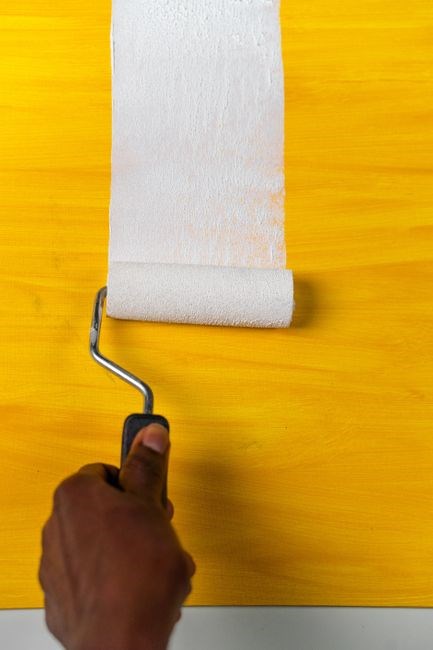
After primer cure‚ mix the two components of Ekopel 2K in a clean bucket‚ stir for 2 min․ Apply the topcoat with a foam roller‚ covering the surface in overlapping strokes․ Work in 30 cm sections‚ ensuring even thickness․ Allow 2 h for tack before sanding․ Keep the surface level․?!

Mixing the Coating
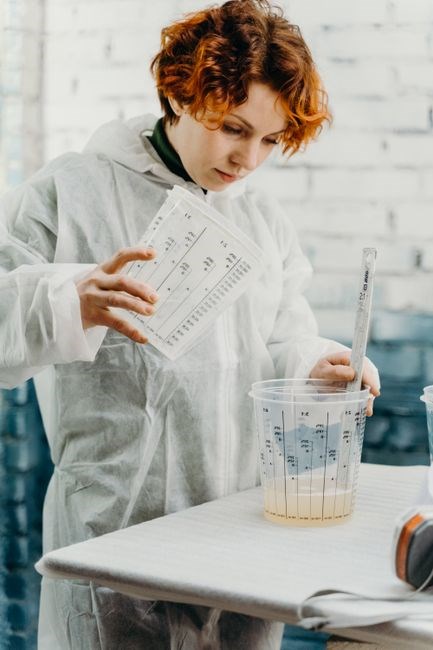
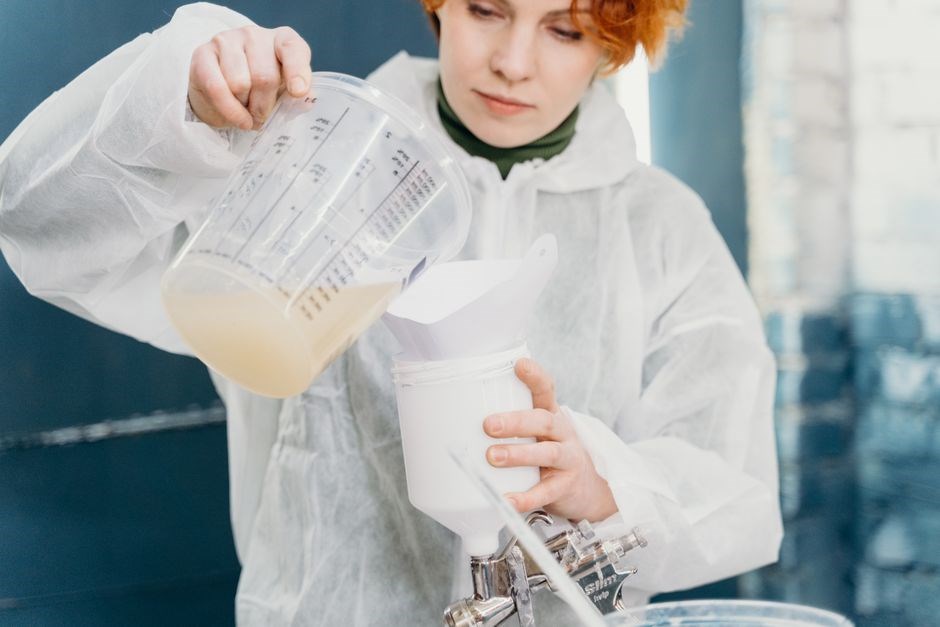
Before you begin‚ ensure the room temperature is between 20 °C and 25 °C‚ as Ekopel 2K performs optimally in this range․ Place a clean‚ dry bucket on a level surface and pour the primer into it first‚ then add the topcoat component in the manufacturer‑recommended ratio․ Typically the mix is 1 part resin to 1 part hardener‚ but always verify the label for the exact proportion․ Measure each component with a calibrated cup or syringe to avoid inaccuracies․ Stir the mixture slowly with a clean‚ disposable stir stick for at least 2 minutes‚ ensuring the color is uniform and no streaks remain․ During stirring‚ pause to scrape the sides of the bucket to incorporate any trapped air․ Avoid vigorous agitation‚ which can introduce bubbles that will appear on the cured surface․ Once the mixture is homogeneous‚ let it sit for 5 minutes to allow any remaining air to rise before application․ Keep the container sealed when not in use to prevent the resin from drying․ Use a foam roller or brush to apply the coating in even‚ overlapping strokes‚ maintaining a consistent thickness․ After each section‚ wipe off excess and check for smoothness․ This careful mixing and application process ensures a flawless‚ durable finish․ Always wear gloves and eye protection during the mixing stage‚ and work in a well‑ventilated area to avoid inhaling fumes․ Finally‚ record the batch number and mixing time on a label affixed to the container so you can track the exact curing schedule for optimal results․
Remember that the pot life of Ekopel 2K is typically 30 minutes at 20 °C‚ decreasing by about 5 minutes for each 5 °C rise above the optimum․ If you need to extend the working window‚ keep the mixture in a cooler area or use a chilled container․ Conversely‚ if the temperature drops below 20 °C‚ the resin will thicken‚ so pre‑warm the components in a water bath at 25 °C before mixing․ After application‚ the coating should be left to cure undisturbed for at least 24 hours before exposing it to water․ During this period‚ keep the surface free from dust by covering it with a clean‚ dry cloth․ Use a timer to monitor the pot life and avoid exceeding the recommended mixing window․ If the mixture begins to thicken‚ gently stir again for a few seconds before application․
For professional results‚ always calibrate your mixing equipment daily and replace worn stir sticks to prevent contamination․ Document the mixing session in a logbook‚ noting ambient conditions‚ component weights‚ and any deviations from the standard procedure․ This record‑keeping will help troubleshoot any future issues and ensures consistency across multiple batches․ All steps are critical for a professional result․
Applying the Coating
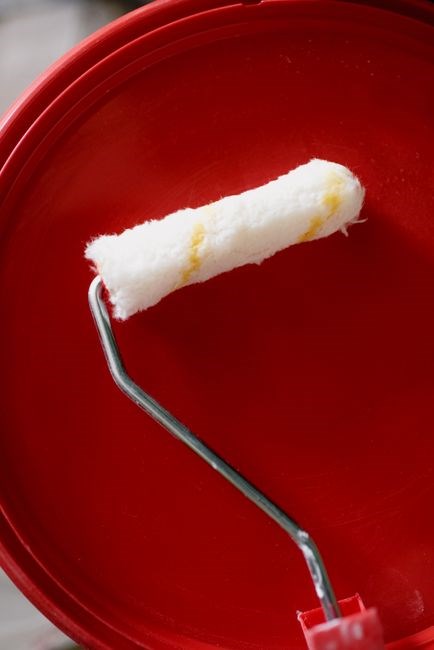
After mixing‚ pour the coating into a clean roller or brush․ Use a foam roller for large areas and a fine‑tipped brush for corners․ Start at the top of the tub and work clockwise‚ keeping a wet edge to avoid lap marks․ Apply in thin‚ overlapping strokes‚ moving steadily to maintain uniform thickness․ For a 2‑k system‚ aim for 0․5 mm; adjust roller fill as needed․ Avoid over‑rolling‚ which can cause drips․ Let the first coat dry 30–60 minutes‚ then check tackiness․ If dry‚ apply a second coat using the same technique․ Lightly sand the first coat with 320‑grit sandpaper‚ clean dust‚ and apply the second coat‚ ensuring a wet edge․ After the final coat‚ let the tub rest undisturbed for at least 24 hours before water contact․ Keep room temperature 20–25 °C‚ protect the surface from dust with a clean cloth‚ and track pot life with a timer․ Inspect for uniform gloss before curing․ Wear gloves and eye protection‚ work in a well‑ventilated area‚ and use fresh tools for each batch․ After curing‚ rinse with warm water and mild detergent‚ avoid harsh chemicals․ The finished tub should show a high‑gloss white finish that resists stains․ Touch‑up chips with the supplied epoxy kit․ For best results‚ apply during daylight‚ avoid direct sunlight‚ and maintain humidity․ Keep tools clean to prevent streaks․ Inspect after curing and touch up any missed spots․ This careful process yields a durable‚ flawless surface that lasts years․
To maintain the finish‚ wipe the surface with a soft‚ damp cloth after each use․ Avoid abrasive cleaners that could dull the gloss․ If a chip appears‚ sand the area lightly with 400‑grit sandpaper‚ clean the dust‚ and apply a small amount of touch‑up epoxy with a fine brush․ Let it cure for 24 hours before using the tub․ Store the kit in a cool‚ dry place to preserve the resin’s shelf life․ Always follow the manufacturer’s safety data sheet when handling chemicals․ By adhering to these guidelines‚ your bathtub will retain its showroom appearance for years․ Enjoy your new shine․ Every day․
Curing and Drying
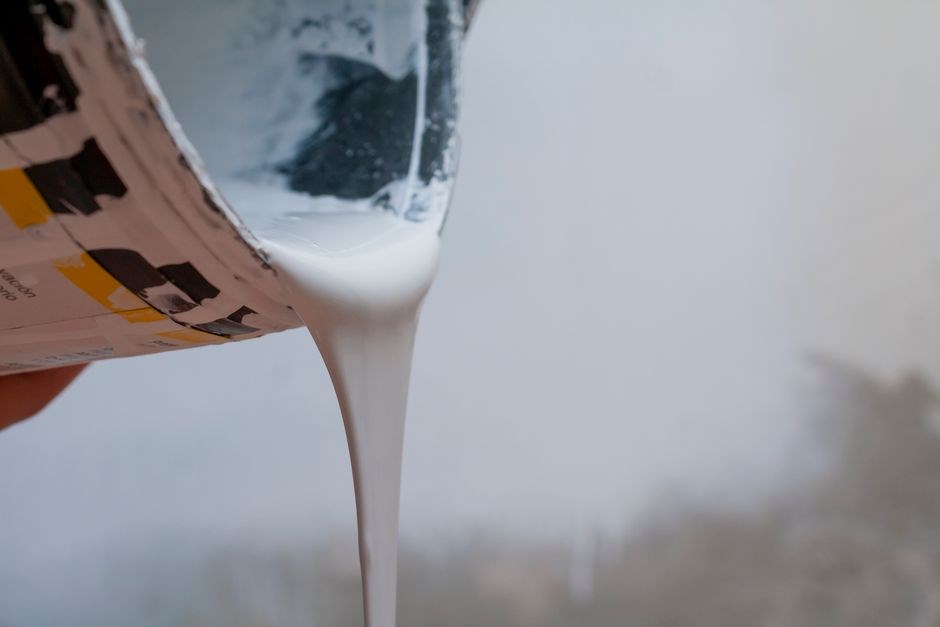
Curing occurs at 20–25 °C‚ taking 24 h for full set․ Keep the tub dry‚ avoid water contact for 48 h․ Ambient humidity should stay below 60 %․ After curing‚ the surface is hard‚ glossy‚ and ready for use․ Store the kit in a cool‚ dry place․ The coating stays flexible‚ resists cracks‚ can be polished․
Curing Time
Ekopel 2K’s curing cycle is engineered for speed and reliability․ After the final topcoat is applied‚ the surface should be left undisturbed in a controlled environment where the temperature remains between 20 °C and 25 °C (68 °F to 77 °F)․ Within this range‚ the epoxy chemistry initiates a rapid cross‑linking reaction that stabilizes the film structure․ The first 6 hours are critical: the coating begins to harden‚ achieving a tack‑free finish that can be touched without leaving a mark․ By 12 hours the material has reached a semi‑set state‚ offering enough rigidity to support light handling while still allowing for minor adjustments if a slight re‑leveling is required․ At the 24‑hour mark‚ the coating is fully cured‚ exhibiting maximum hardness‚ chemical resistance‚ and a glossy‚ mirror‑like appearance․ Any subsequent exposure to water or cleaning agents will not compromise the integrity of the finish․ — etc․!?? A final inspection at 48 hours confirms surface integrity and safety
Ambient Conditions
For optimal performance‚ Ekopel 2K must be cured in a stable environment․ The ideal temperature range is 20 °C to 25 °C (68 °F to 77 °F)․ Temperatures below 15 °C (59 °F) slow the polymerization‚ extending cure time‚ while temperatures above 30 °C (86 °F) can cause premature drying and surface defects․ Relative humidity should stay between 30 % and 60 %․ Excess moisture can lead to blistering‚ while very dry air may cause the coating to dry too quickly‚ resulting in a rough surface․ Ventilation is essential; a gentle airflow keeps dust from settling on the fresh film and maintains a consistent temperature․ Avoid direct drafts or heat sources such as radiators‚ heaters‚ or direct sunlight‚ which can create uneven curing or surface tackiness․ The room should be free of strong chemicals or fumes that could interfere with the epoxy’s cross‑linking chemistry․ A clean‚ dust‑free workspace ensures a flawless finish․ After application‚ keep the area sealed from water‚ steam‚ and heavy traffic for at least 24 hours to guarantee full cure․ Once cured‚ the coating can tolerate normal bathroom humidity and temperature fluctuations without compromising its integrity․ Proper ambient control is key to achieving a durable‚ glossy finish that lasts for years․
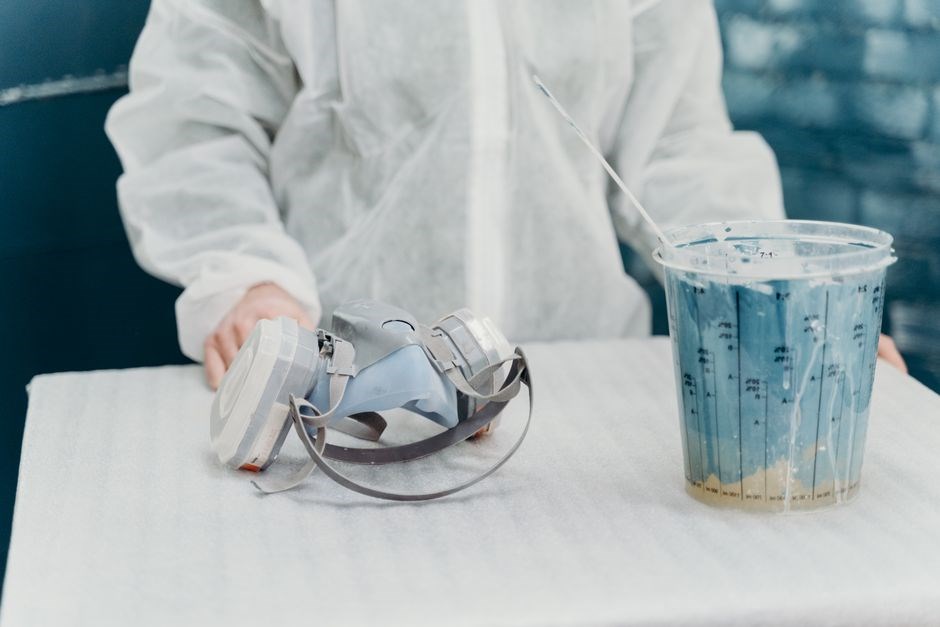
During the first 48 hours‚ keep the area well‑ventilated but shielded from direct airflow that could blow dust onto the wet film․ After curing‚ a light mist of water is acceptable‚ but avoid soaking the surface․ By following these ambient protocols‚ homeowners can enjoy a flawless‚ long bathtub finish without the need for frequent re‑applications․
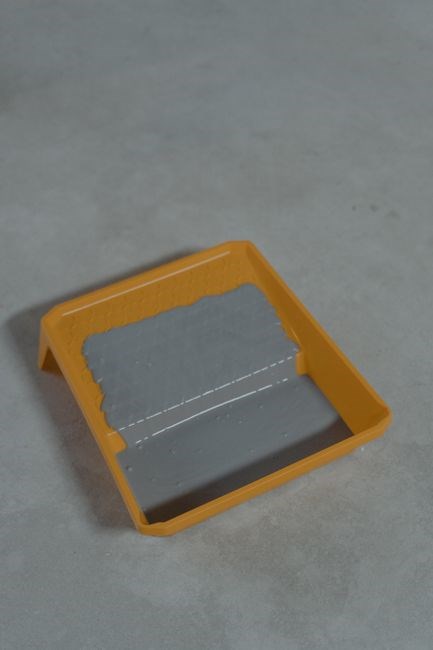
Maintenance and Touch-Up
Regular cleaning with mild soap keeps the finish bright․ For chips‚ lightly sand the area‚ wipe dust‚ then apply Ekopel 2K touch‑up epoxy per instructions․ Let it cure 24 hrs before exposure․ Reapply if necessary for a seamless look․Keep surface dry avoid daily cleaners daily․
Regular Cleaning
After each use‚ rinse the bathtub with lukewarm water to remove soap residue․ Apply a gentle‚ non‑abrasive cleanser—preferably a pH‑neutral‚ fragrance‑free formula—to the surface․ Use a soft microfiber cloth or a non‑scrubbing sponge‚ moving in a circular motion to lift dirt without scratching the glossy finish․ Rinse thoroughly with clean water‚ ensuring no suds remain․ Pat the area dry with a lint‑free towel; avoid rubbing‚ which can dull the sheen․ For stubborn stains‚ a mild vinegar solution (one part vinegar to three parts water) can be sprayed lightly and wiped away after a few minutes‚ but never let it sit․ Avoid harsh chemicals like bleach‚ ammonia‚ or abrasive cleaners‚ as they can degrade the epoxy coating․ Refrain from using abrasive pads‚ steel wool‚ or scouring powders‚ which can create micro‑scratches that attract grime․ After cleaning‚ inspect the surface for any signs of wear or damage; if a chip or crack appears‚ sand the area lightly with fine grit sandpaper‚ wipe dust‚ and apply a small amount of Ekopel 2K touch‑up epoxy following the manufacturer’s instructions․ Allow the touch‑up to cure for at least 24 hours before exposing it to water․ Maintain a routine cleaning schedule—ideally once a week—to keep the finish pristine and extend the life of the coating․ Store bathroom products away from direct sunlight and high humidity to prevent discoloration․ By following these steps‚ you preserve the glossy appearance and protective barrier of the Ekopel 2K finish‚ ensuring long‑term durability and a fresh‚ new look for your bathtub․ Keep the surface dry after each wash now!
Touch‑Up Epoxy for Chips
When a chip or small crack appears on an Ekopel 2K surface‚ a quick touch‑up restores the seamless look․ First‚ clean the area with mild soap and water‚ then dry completely․ Lightly sand the damaged spot with 400‑grit sandpaper to remove any loose flakes and create a slightly rough profile for adhesion․ Wipe away any dust with a lint‑free cloth․ Mix the two‑component touch‑up epoxy according to the manufacturer’s ratio—usually 1:1 by volume—using a disposable stir stick․ Apply a thin bead of epoxy over the sanded area‚ spreading it evenly with a plastic spreader or a small brush․ Smooth the surface to match the surrounding finish; avoid over‑applying‚ which can cause a raised edge․ Allow the epoxy to set for the recommended 10‑15 minutes before lightly sanding with 600‑grit paper to achieve a flush surface․ Finish with a light coat of the original topcoat if the touch‑up area is large‚ then wipe clean․ Cure the repair at room temperature (20‑25 °C) for at least 24 hours before exposing it to water․ Repeat the process if a second layer is needed․ This method keeps the bathtub looking new and protects against further damage․ When the touch‑up area is finished‚ inspect the surface under good lighting to ensure a uniform sheen․ If the gloss level differs‚ lightly buff the repaired spot with a fine‑grit pad and apply a thin coat of the original topcoat to match the surrounding finish․ Always allow the final coat to cure fully before using the tub․ This careful approach ensures the bathtub remains smooth‚ resistant to stains‚ and visually